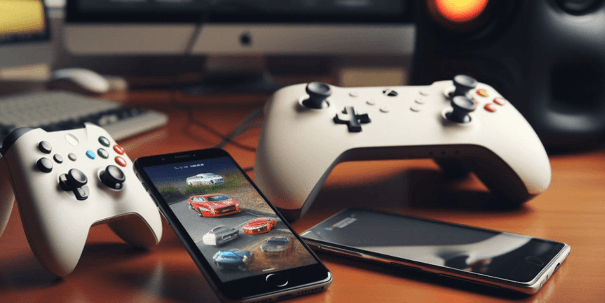
Cross-platform gaming brings players across devices into a single, shared experience. It merges cross-play, cross-progression, and cross-generation under a practical framework that emphasizes continuity and fairness. Latency budgets and platform-aware tuning shape performance and competitive balance. Players gain wider matchmaking and identity preservation, but may encounter data or item limitations. The strategy behind these choices, and how developers implement them, invites closer examination as ecosystems expand. The discussion invites further exploration of what that expansion means in practice.
What Cross-Platform Gaming Means for Players
Cross-platform gaming refers to players on different hardware and platforms joining the same games and sharing the same online ecosystem. This arrangement expands matchmaking pools, enabling broader competition and faster access. Cross play benefits include flexible friend groups and potential ecosystem-wide enhancements. Yet cross progression limitations may restrict item ownership and save data across platforms, tempering freedom with practical constraints.
Core Concepts: Cross-Play, Cross-Progression, and Cross-Generation
Core concepts in this area are defined by three interrelated ideas: cross-play, cross-progression, and cross-generation. This framework enables players to share ecosystems, retain achievements, and transition hardware without losing identity. The discussion highlights cross play benefits and cross progression pitfalls, emphasizing procedural compatibility, account integrity, and data continuity. A neutral, analytical tone clarifies dependencies, tradeoffs, and practical limits for diverse gaming communities.
How Developers Balance Fairness and Performance
Balancing fairness and performance is a core engineering and design challenge in cross-platform gaming. Developers implement fairness tuning to ensure comparable experiences across devices, while preserving playability and competitive integrity. Latency budgeting allocates tolerances for input and update delays without overburdening consoles or PCs. The result is a transparent equilibrium where responsiveness and equity coexist, supporting freedom to compete and enjoy.
Getting Started: How to Switch On and Make the Most of Cross-Platform Gaming
Getting started with cross-platform gaming involves practical steps to connect devices, join matches, and optimize settings for a smooth experience. A detached analysis shows initial setup: verify accounts, enable cross platform setup, and confirm network quality. Players should avoid platform specific blockers, harmonize input language and lobbies, and test a few sessions. Clarity, consistent prompts, and secure connections sustain freedom and accessibility.
See also: earnstark
Frequently Asked Questions
What About Cross-Platform Voice Chat Compatibility Across Devices?
Cross-platform voice chat hinges on standardized protocols and server-side compatibility, enabling cross device compatibility. They analyze how latency, permissions, and platform policies shape cross platform voice chat, noting that user freedom depends on interoperable, open-ended audio frameworks.
Are There Any Regional Restrictions or Data Transfer Limits?
Are regional constraints real in this space? The report notes regional data limits and regional DLC restrictions influence cross-platform experiences, with compliance varying by locale, data sovereignty, and publisher policies, yet freedom persists through adaptable account and content management strategies.
How Do Refunds Work for Cross-Platform Purchases?
Refund processing for cross-platform purchases varies by vendor and regional policy, but generally follows platform-specific rules; refunds may be issued within a defined window if criteria are met, and platform specific warranties may influence eligibility and timelines.
Can Parental Controls Differ Between Platforms in Cross-Play Games?
Parental controls can differ between platforms in cross-play games, and these variations matter for cross play privacy. While some systems offer granular settings, others default to broader permissions, yet users can often customize protection to suit personal freedom.
Do Achievements Unlock Across All Platforms Automatically?
Achievements across platforms do not automatically unlock everywhere; cross progression status varies by title and account. In practice, players often must link accounts or complete platform-specific steps to synchronize achievements across platforms, if supported at all.
Conclusion
Cross-platform gaming weaves together players across devices, generations, and identities, creating broader communities and richer competition. The field hinges on procedural compatibility, data continuity, and thoughtful latency budgeting to preserve fairness without sacrificing performance. From cross-play to cross-progression and cross-generation, success rests on clear account verification and robust tuning. In practice, the ecosystem operates like a well-timed relay race, each handoff seamless enough to keep momentum, yet precise enough to prevent unfair advantages or data drift.